Introduction :>
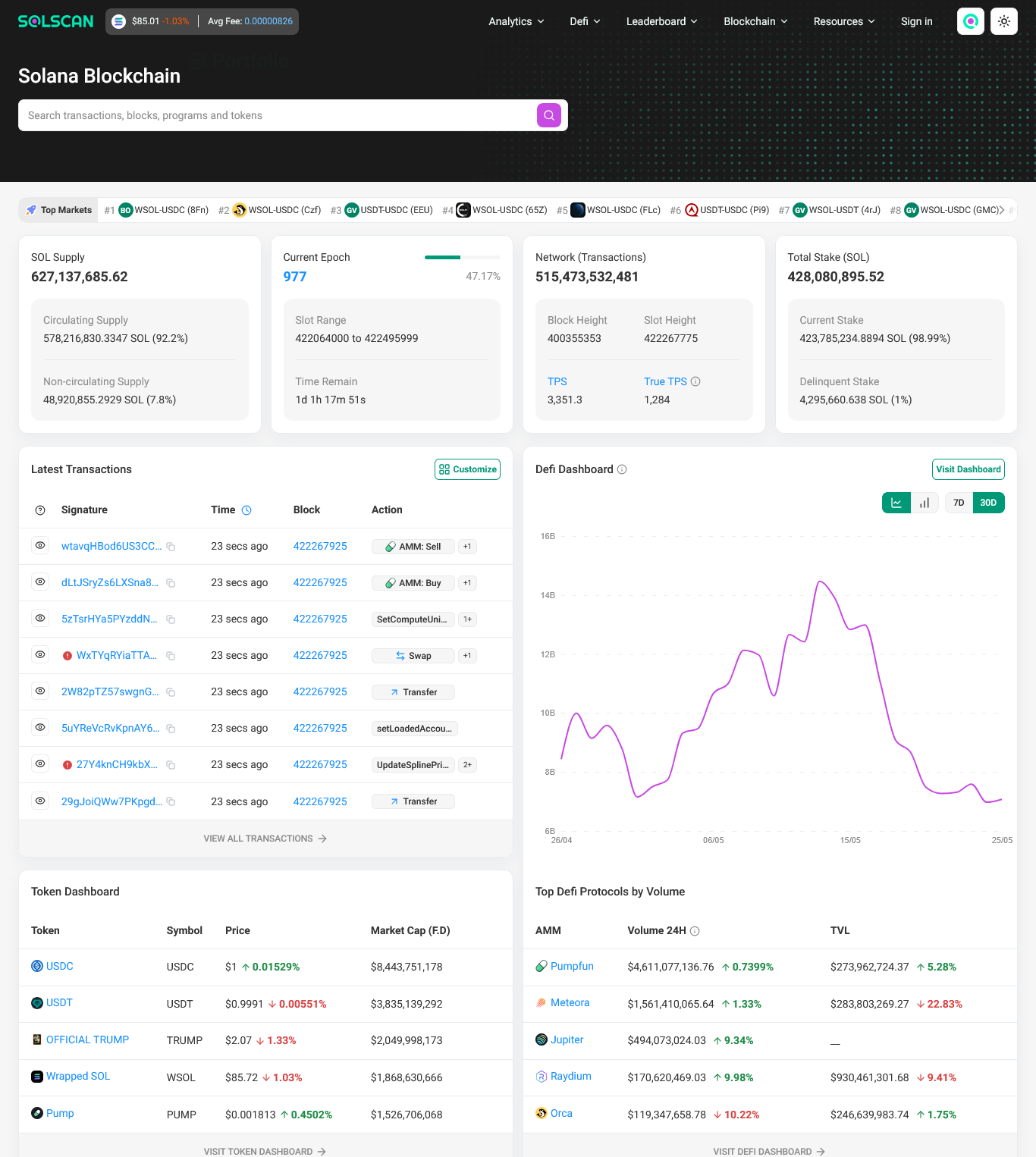
As blockchain technology continues to evolve, transparency and accessibility remain essential for users, developers, and investors. On the Solana blockchain, one of the most popular tools for exploring on-chain data is Solscan. Designed as a blockchain explorer, Solscan enables users to view transactions, wallet addresses, token information, staking activity, NFT collections, and much more. It serves as a gateway to understanding the vast amount of data generated on the Solana network.
What is Solscan?
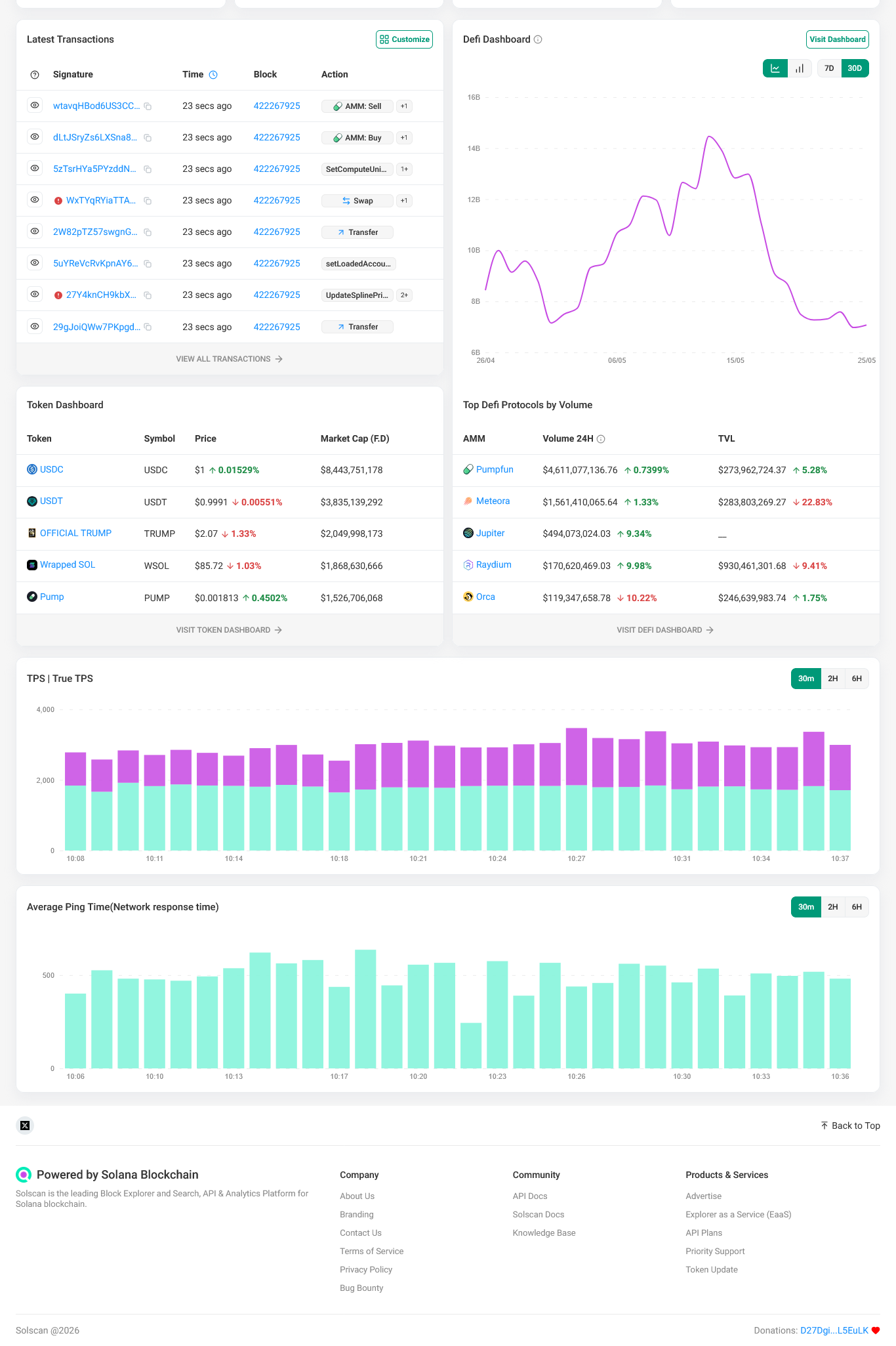
Solscan is a blockchain explorer built specifically for the Solana ecosystem. Similar to how Etherscan functions for Ethereum, Solscan provides a user-friendly interface that allows anyone to access and analyze blockchain data in real time. The platform helps users verify transactions, monitor wallet activity, track token movements, and explore decentralized applications (dApps) operating on Solana.
By transforming complex blockchain data into easily readable information, Solscan makes the Solana network more transparent and accessible to both beginners and experienced users.
Key Features of Solscan //
1. Transaction Tracking :>
One of Solscan's primary functions is enabling users to search and verify transactions. By entering a transaction hash, users can view detailed information including:
:> Transaction status :> Sender and receiver addresses :>Transaction fees :>Timestamp
:> Program interactions :>Token transfers
// This feature is particularly useful for confirming successful transfers or troubleshooting failed transactions.
2. Wallet Address Monitoring :>
Users can search any Solana wallet address to view:
:> Current SOL balance :>Token holdings :>Transaction history :>Staking activity
:> NFT ownership
// This transparency helps users monitor their own wallets and analyze public wallet activity on the blockchain.
3. Token Analytics :>
Solscan provides detailed information about Solana-based tokens, including:
:> Token supply :>Holder distribution :>Transaction volume :>Market-related data
:> Contract information
// Investors often use these analytics to evaluate projects before making investment decisions.
4. NFT Exploration :>
The Solana ecosystem hosts numerous NFT projects, and Solscan offers tools for exploring NFT collections. Users can view:
:> Collection statistics :>Ownership records :>Transaction history :>Minting details
// This makes it easier to research NFT projects and verify authenticity.
5. Staking Information :>
Solana uses a Proof-of-Stake (PoS) consensus mechanism, and Solscan allows users to track staking-related activities. Information available includes:
:> Validator performance :>Delegated stake amounts :>Rewards history
:> Active and inactive stake accounts
// This feature helps token holders make informed staking decisions.
6. DeFi and Ecosystem Insights :>
Solscan also supports visibility into decentralized finance (DeFi) protocols operating on Solana. Users can monitor protocol interactions, liquidity movements, and on-chain activities related to various decentralized applications.
Benefits of Using Solscan
. Transparency ://
Blockchain technology is built on transparency, and Solscan provides easy access to public blockchain records. Users can independently verify transactions without relying on third parties.
. Ease of Use ://
The platform offers a clean and intuitive interface, making blockchain exploration accessible even to newcomers.
. Real-Time Data ://
Solscan continuously updates blockchain information, allowing users to access the latest transaction and network data.
. Research and Analysis ://
Developers, traders, investors, and researchers can leverage Solscan's extensive data to conduct market analysis, track trends, and investigate network activity.
How to Use Solscan
Using Solscan is straightforward:
1. Visit the Solscan website.
2. Enter a wallet address, transaction hash, token name, or NFT collection in the search bar.
3. Browse the detailed information displayed on the results page.
4. Use filtering and analytics tools to gain deeper insights into blockchain activity.
// No account is required for basic blockchain exploration.
Common Use Cases
Verifying Transactions :/
Users can confirm whether a transfer has been successfully processed and identify the exact transaction details.
Tracking Investments :/
Investors can monitor token holdings, wallet balances, and project activity directly on-chain.
NFT Research :/
Collectors can review NFT ownership histories and verify collection authenticity before making purchases.
Validator Evaluation :/
Stakers can assess validator performance and reward history before delegating their SOL tokens.
Security Considerations ://
While Solscan provides access to public blockchain data, users should remain cautious when interacting with external links or third-party applications. Solscan itself does not control users' wallets or private keys. Users should never share their seed phrases, private keys, or sensitive account information with anyone.
Conclusion ://
Solscan has become an essential tool within the Solana ecosystem by providing transparent, real-time access to blockchain data. Whether you're verifying a transaction, researching a token, analyzing an NFT collection, or monitoring staking performance, Solscan offers valuable insights through an intuitive interface. As the Solana network continues to grow, tools like Solscan play a critical role in helping users navigate and understand the blockchain landscape with confidence.

No Code Website Builder